What Gives Jewelry Resale Value?
Real gold. Real diamonds. Real value.
Jewelry resale value is not only about how beautiful a piece looks. It is also not only about the original retail price, the box it came in, or the brand name attached to it.
For serious buyers, resale value is usually shaped by a combination of factors: what the jewelry is made of, how clearly the stones and materials are described, whether there is authentication or documentation where applicable, the condition of the piece, and whether future buyers are likely to want it.
That does not mean jewelry should be treated as a guaranteed investment. Jewelry value can change depending on market demand, buyer preference, condition, and resale channel. But some pieces do have clearer long-term value logic than others. This guide explains how to compare fine jewelry more intelligently before you buy.
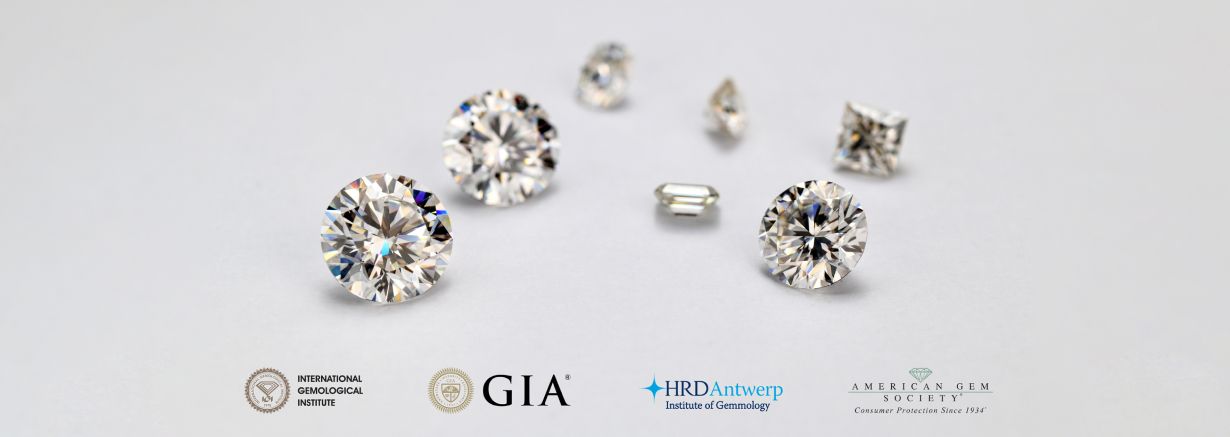
Quick Takeaway: The 5 Factors That Shape Jewelry Resale Logic
If you want to understand whether a piece of jewelry may have stronger resale logic, ask five questions:
| Factor | Buyer Question |
|---|---|
| Material value | What is this piece actually made of? |
| Stone quality | Are the diamonds or gemstones natural, disclosed, and clearly described? |
| Authentication or documentation | Is there a certificate, grading report, or authentication path where applicable? |
| Condition and craftsmanship | Is the piece wearable, well-made, and clearly shown? |
| Marketability | Would another buyer realistically want this piece later? |
Beauty matters. But resale value starts with substance.
Why Resale Value Matters Before You Buy
Many buyers only think about resale value when they are ready to sell. A smarter approach is to think about resale logic before purchase.
This does not mean buying jewelry only for resale. Fine jewelry is personal. It should still match your style, budget, and lifestyle. But when two pieces look beautiful at a similar price, the stronger choice may be the one with clearer materials, better stone information, stronger documentation, and more future buyer appeal. For example, a similar budget could be spent on very different types of jewelry:
| Purchase Type | What You May Be Paying For |
|---|---|
| Fashion-led jewelry | Trend, branding, packaging, seasonal design, or surface appeal |
| Fine jewelry | Real gold, natural diamonds or gemstones, craftsmanship, and material substance |
| Pre-owned fine jewelry | Fine jewelry materials with potentially better value logic than buying new at full retail |
The goal is not to say one option is always right. The goal is to help buyers understand what they are really paying for.
If you want to understand why real gold and natural diamond jewelry can have stronger intrinsic value, GEMGEM’s guide on real gold and natural diamond jewelry explains how material substance changes the buying equation.
The 5-Factor Jewelry Resale Value Framework
1. Material Value: What Is the Jewelry Made Of?
The first factor is material value.
Real gold, natural diamonds, and natural gemstones have clearer recognized material value than plated, coated, or decorative materials. That is why product details matter. A buyer should understand the metal type, gold purity, stone type, and whether the item is made from fine jewelry materials.
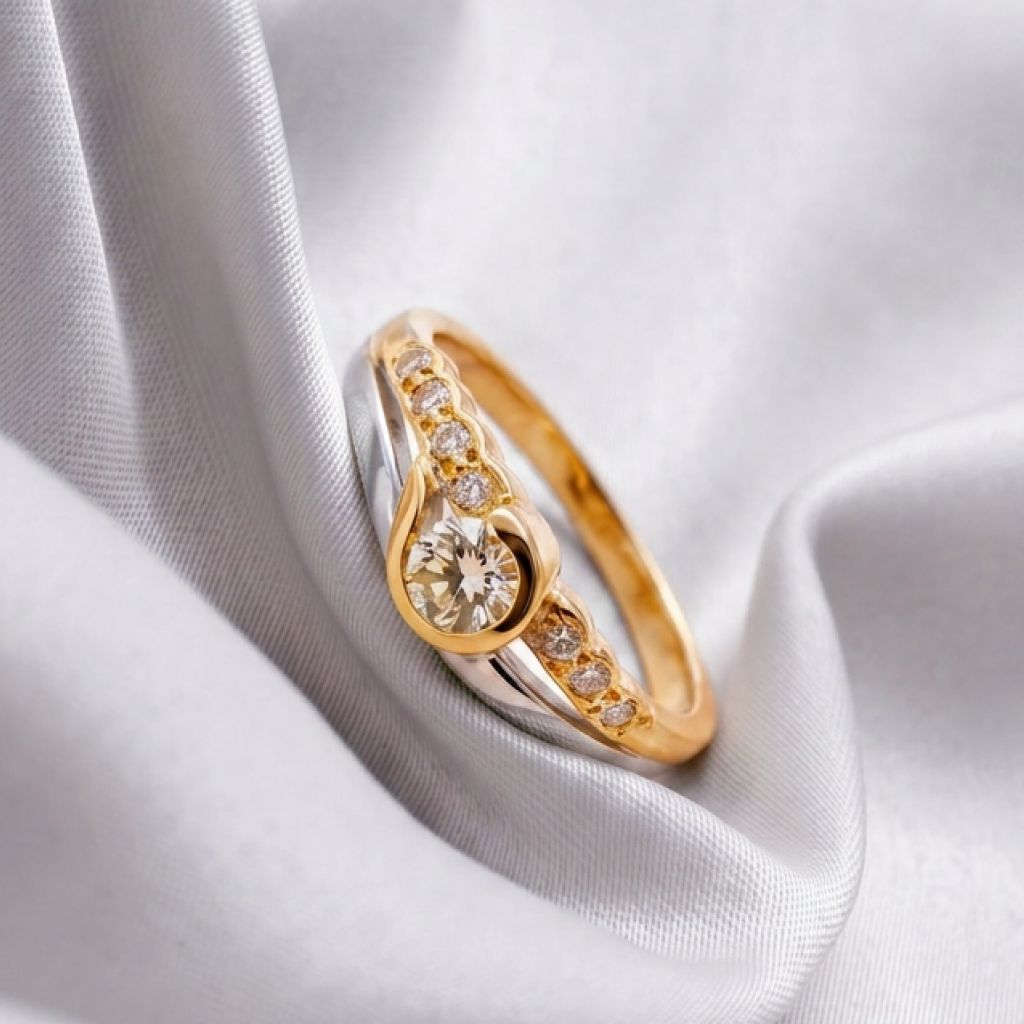
For gold jewelry, important details include:
- Metal type, such as yellow gold, white gold, rose gold, or platinum
- Gold purity, such as 14K or 18K
- Whether the piece is solid gold, gold plated, gold filled, or vermeil
- Overall condition and visible wear
This matters because surface appearance alone can be misleading. Two pieces may look similar in a photo, but one may be made with solid 18K gold while another may only have a thin surface layer of gold. The long-term value logic is very different.
Buyer question: What is this piece actually made of?
2. Stone Quality: Are the Diamonds or Gemstones Clearly Described?
The second factor is stone quality.
For diamond jewelry, resale logic is affected by details such as diamond type, natural origin, carat weight, shape, color, clarity, cut quality, and overall appearance. For gemstone jewelry, species, variety, color, size, treatment disclosure, and condition can also affect desirability.
A buyer does not need to become a gemologist to make a smarter decision. But the more clearly the stone information is described, the easier it is to compare one piece with another.
Important details may include:
- Natural diamond or natural gemstone disclosure
- Diamond carat weight or total carat weight
- Diamond shape
- Color and clarity information where available
- Gemstone species and treatment information where available
- Whether the stone has a grading report or certificate
A piece with vague stone information may still be beautiful, but it can be harder to evaluate. A piece with clearer stone details gives buyers more confidence when comparing value.
For more buying education, readers can also explore GEMGEM’s Diamond Guide.
Buyer question: Are the stones natural, disclosed, and properly described?
3. Authentication and Documentation: Can the Details Be Verified?
The third factor is authentication or documentation.
Certificates, grading reports, product documentation, and authentication paths can help reduce uncertainty.
They do not guarantee future resale value, but they can support buyer confidence because they make the item easier to understand and compare.

Depending on the item, documentation may include:
- A grading report for a diamond
- A jewelry report for a finished jewelry piece
- Brand paperwork or purchase documents
- Photos showing marks, details, and craftsmanship
- Platform authentication or item-detail verification where applicable
For pre-owned fine jewelry, this is especially important. Buyers are not only evaluating style. They are evaluating trust.
On GEMGEM, different items may follow different verification and authentication paths depending on the listing type. Buyers should always review the product details, authentication status, certificate information, and checkout flow before purchase.
You can learn more about GEMGEM’s trust process through the Authenticity Guarantee and how GEMGEM works.
Buyer question: Is there a certificate, grading report, or authentication path where applicable?
4. Condition and Craftsmanship: Is the Piece Easy to Trust?
The fourth factor is condition and craftsmanship.
A piece of fine jewelry may have strong materials, but condition still matters. Future buyers usually want to understand whether the item is wearable, whether the setting is secure, whether the stones are intact, and whether the craftsmanship looks reliable.
Condition factors may include:
- Visible scratches, dents, or wear
- Stone security
- Prong condition
- Clasp or chain condition
- Ring shank condition
- Previous repair or resizing history where known
- Clear product photos from multiple angles
Craftsmanship also affects buyer confidence. A well-made piece with balanced design, secure setting work, and clean finishing can be easier to evaluate than a piece with unclear construction or visible damage. Pre-owned does not automatically mean lower quality. Many pre-owned fine jewelry pieces remain beautiful, wearable, and desirable. The key is transparency.
For buyers who want more confidence before purchase, GEMGEM’s Buyer Protection explains how the buying experience is designed to support a safer transaction.
Buyer question: Is the piece wearable, well-made, and clearly described?
5. Marketability: Would Another Buyer Want This Later?
The fifth factor is marketability.
Even if a piece has real gold and natural diamonds, future resale logic also depends on whether other buyers are likely to want it. Jewelry is emotional and personal, but resale demand is often influenced by category, design, size, style, and price range.
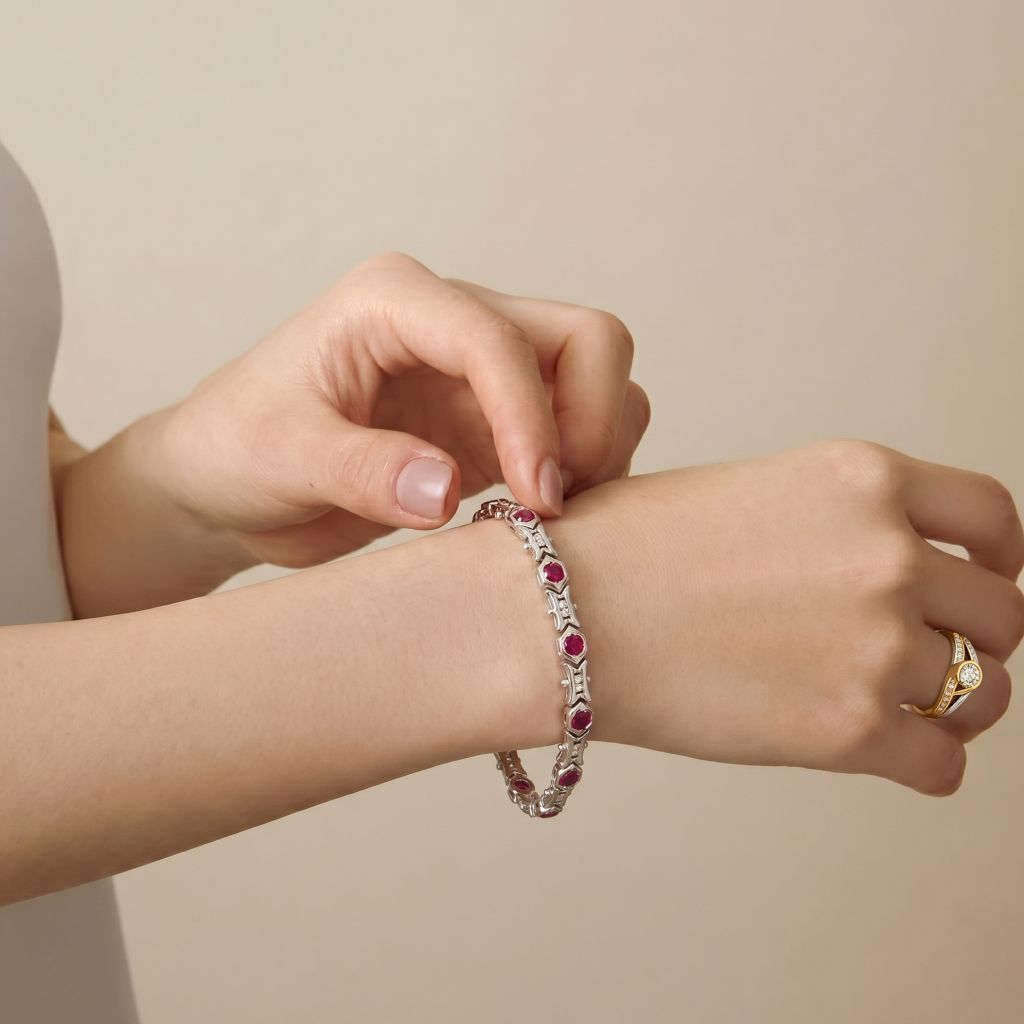
Marketability factors may include:
- Category: rings, earrings, bracelets, necklaces, pendants, brooches, or loose diamonds
- Design: classic, timeless, statement, vintage, or trend-driven
- Wearability: suitable for daily wear or special occasions
- Size flexibility: especially for rings and bracelets
- Price range: whether the item sits in a realistic buyer budget
- Style demand: whether the design has broad or niche appeal
A timeless diamond ring, classic tennis bracelet, or simple diamond pendant may have broader future demand than a highly trend-specific design. That does not make one piece better than another. It simply means marketability should be part of the comparison.
Buyers can explore different categories such as pre-owned diamond rings, diamond and gemstone bracelets, necklaces, pendants, earrings, loose diamonds and natural gemstones to compare how style, category, and materials affect value logic.
Buyer question: Would another buyer realistically want this piece later?
Ready to shop fine jewelry with clearer value logic?
Explore GEMGEM’s pre-owned fine jewelry with clear material details, transparent item information, and authentication support where applicable.
Browse Pre-Owned Fine JewelryResale Logic Comparison Table
This is the difference between buying only for appearance and buying with stronger value logic.
| What Buyers Often Notice First | What Serious Buyers Should Also Check |
|---|---|
| Brand name | Material, stone details, documentation, and price logic |
| Photo appearance | Metal type, gold purity, stone quality, and condition |
| Original retail price | Current market value and comparable alternatives |
| Trend or style | Long-term wearability and future buyer demand |
| “Looks expensive” | Whether the item has real materials and clear details |
| Discount level | Whether the final price makes sense for the substance |
Why Pre-Owned Fine Jewelry Can Offer Smarter Value Logic
Pre-owned fine jewelry can be attractive because it may allow buyers to access stronger materials at a similar budget.
Instead of paying mainly for newness, packaging, or full retail markup, buyers may be able to compare pieces based on what matters most: real gold, natural diamonds or gemstones, craftsmanship, condition, and documentation.
That is why pre-owned fine jewelry can be a smarter buying route.
A pre-owned piece is not automatically better. It still needs to be evaluated carefully. But when the item has strong materials, clear details, good condition, and buyer demand, it may offer a smarter way to buy fine jewelry.
Buyer Checklist: Before You Buy, Ask These Questions
Use this checklist when comparing fine jewelry:
- What metal is the piece made of?
- Is the gold purity clearly stated?
- Are the diamonds or gemstones natural and clearly described?
- Is the carat weight or total carat weight listed where relevant?
- Is there a certificate, grading report, or authentication path where applicable?
- Are the condition details easy to understand?
- Are the photos clear enough to evaluate the piece?
- Is the design wearable for the long term?
- Would the item likely appeal to another buyer later?
- Does the price make sense compared with the material, quality, and documentation?
A beautiful piece becomes stronger when it has substance behind it.
For more education, buyers can also read GEMGEM’s Jewelry Guide.
How GEMGEM Helps Buyers Shop With Clearer Value Logic
GEMGEM focuses on pre-owned fine jewelry made with real materials, clear product details, and a trust-led buying experience.
For buyers, that means the shopping process is built around more than surface appearance. Product details, condition, documentation, seller information, and authentication or verification steps all help buyers compare jewelry with more confidence.
Because GEMGEM includes different listing types, buyers should always check the item page carefully. Some items may already have documentation or authentication completed, while others may follow an authentication path after purchase. The important point is that buyers can review the relevant information before making a decision.
GEMGEM’s goal is simple: Help buyers find fine jewelry with real materials, clearer information, and stronger value logic.
Final Takeaway
Jewelry resale value is not one thing. It is shaped by material value, stone quality, authentication or documentation, condition, craftsmanship, and future buyer demand.
Beauty matters. But resale value starts with what jewelry is made of, how clearly it can be verified, and whether another buyer would still want it later.
Real gold. Real diamonds. Real value.

