
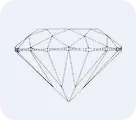
The highest cut grade awarded by the GIA. Excellent-cut diamonds are precisely proportioned, maximizing the reflection of light to the human eye.
The 4C's of
Diamonds
Stop overpaying for technical grades. Learn how to use the 4C’s to get a bigger, brighter diamond for your budget.
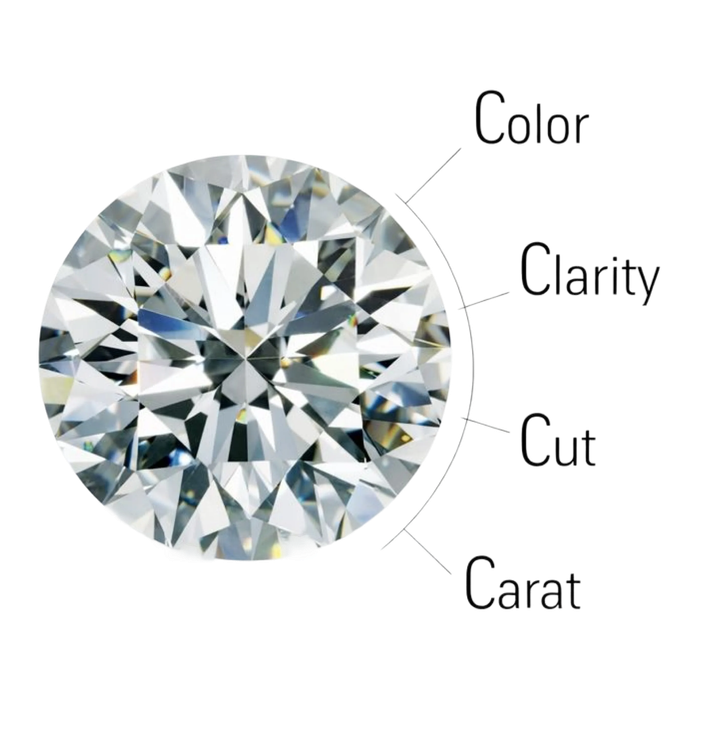
Anatomy of a Diamond
Understanding anatomy helps you spot quality<br />differences instantly.
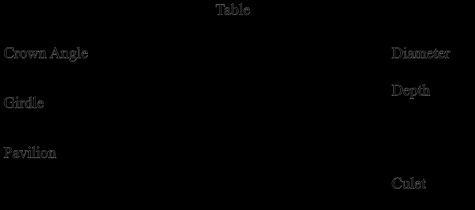
Table
Largest top facet; allows light to enter & influences overall brightness.
Crown
Top section works with the pavilion to reflect light back to the eye.
Girdle
Outer edge defines the diamond's outline and supports the structure.
Diameter
Edge-to-edge width; determines the perceived size from above.
Pavilion
Lower section shape and depth are critical for internal reflection.
Culet
Small bottom tip; ideally very small or invisible to the naked eye.
Depth
Total height ensures balanced proportions and light performance.
High-quality cut with strong light performance. Very good-cut diamonds reflect most of the incident light, exhibiting impressive brilliance and scintillation.
A well-made diamond with acceptable proportions. Good-cut diamonds also reflect most of the incident light, but with less reflectivity than higher-grade diamonds.
The cut is acceptable; light escapes from the sides or bottom of the diamond. These diamonds appear less bright and lack brilliance due to less light reflected from the top.
The cut proportions are poor, and light performance is subpar. Even untrained individuals may find it difficult to discern whether these diamonds appear dull and lack brilliance.
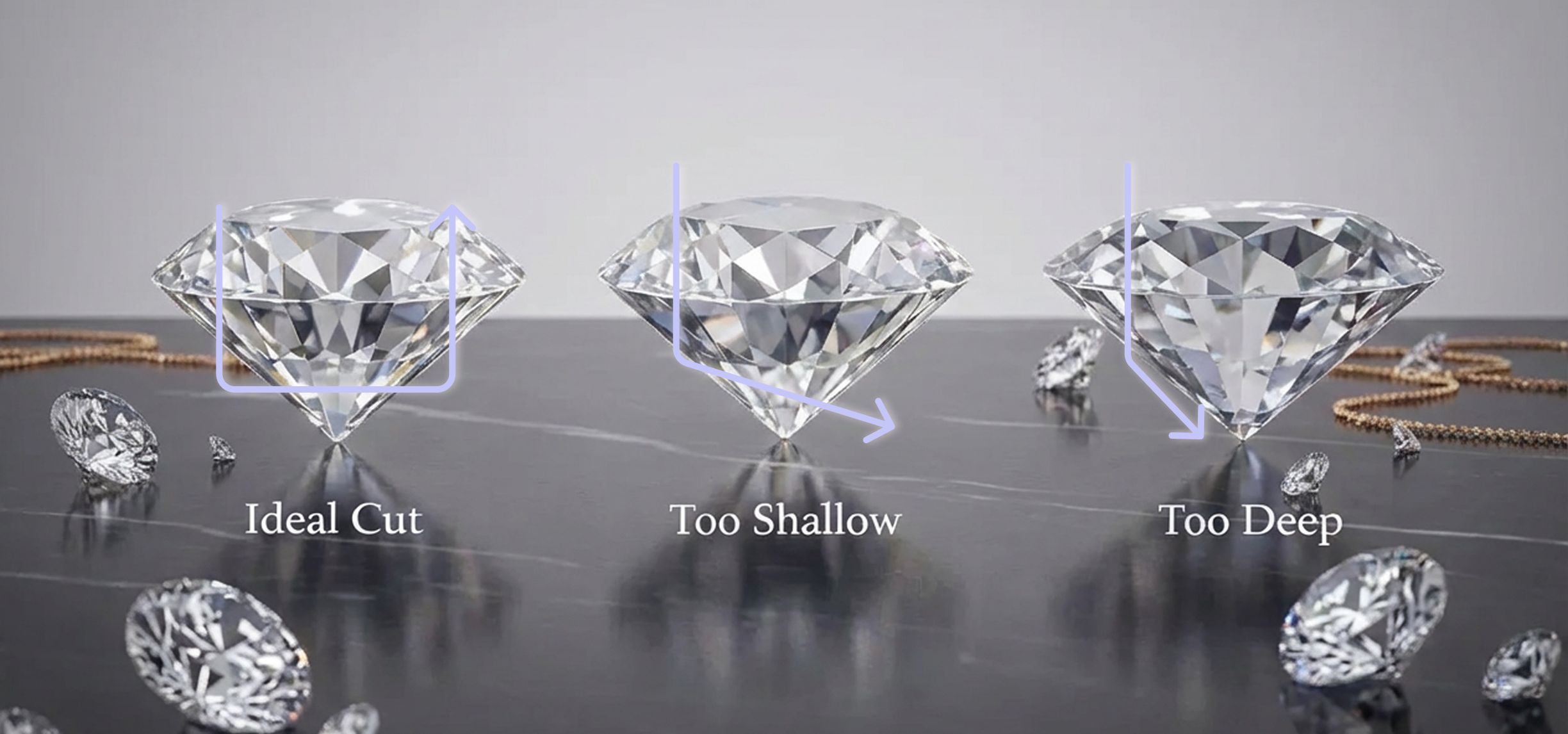
Perfect CutPerfect Cut
Reflects light through the top, maximizing brilliance and fire.
Too Deep CutToo Deep Cut
Escapes through sides, making the center dark and the stone look small.
Too Shallow CutToo Shallow Cut
Escapes through the bottom, leaving the diamond dull and lifeless.
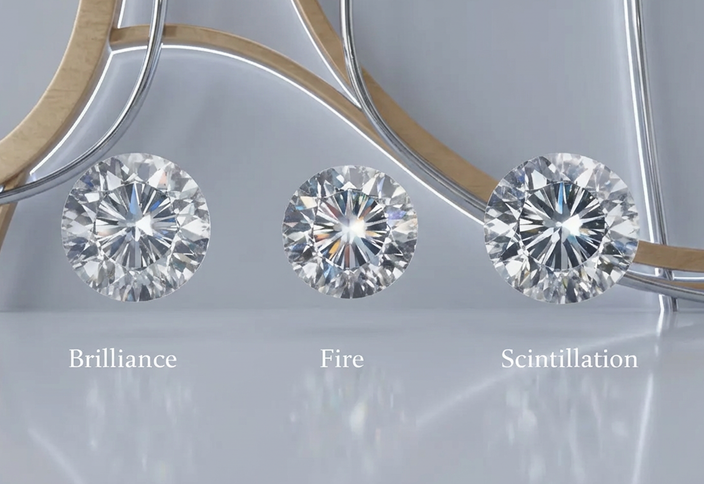
Diamond Brilliance, Fire and Scintillation
Brilliance — The white light reflected back. Well-cut diamonds appear bright and captivating rather than dull.
Fire — The rainbow colors produced as light disperses. Precise cutting creates a vivid, dazzling sparkle.
Scintillation — The shimmer and light-dark contrast when moving. A good cut ensures a balanced, dynamic pattern.
Diamond Brilliance, Fire and Scintillation
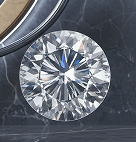
Brilliance — The white light reflected back. Well-cut diamonds appear bright and captivating rather than dull.
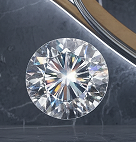
Fire — The rainbow colors produced as light disperses. Precise cutting creates a vivid, dazzling sparkle.
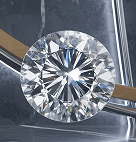
Scintillation — The shimmer and light-dark contrast when moving. A good cut ensures a balanced, dynamic pattern.
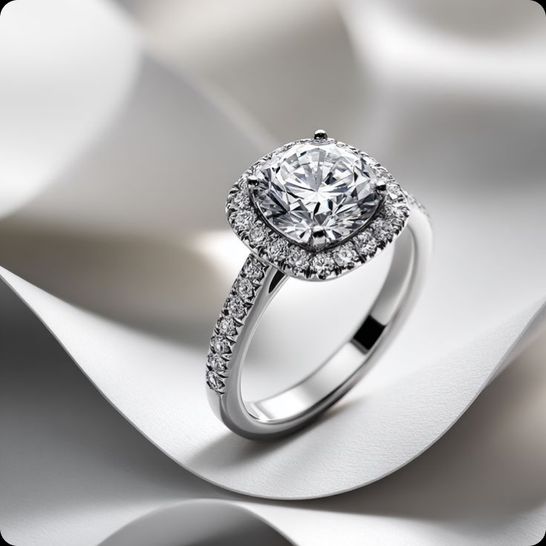
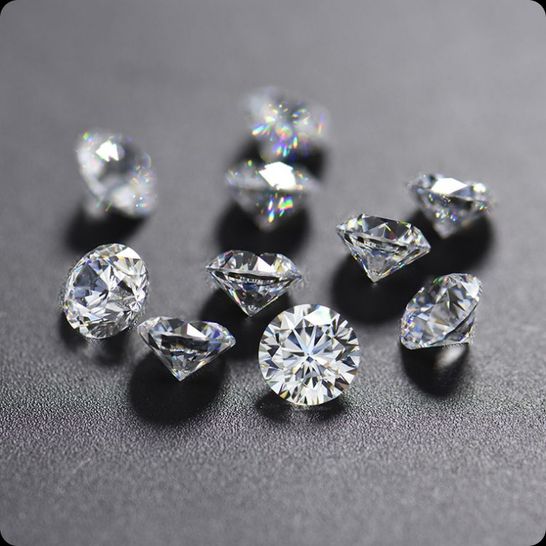
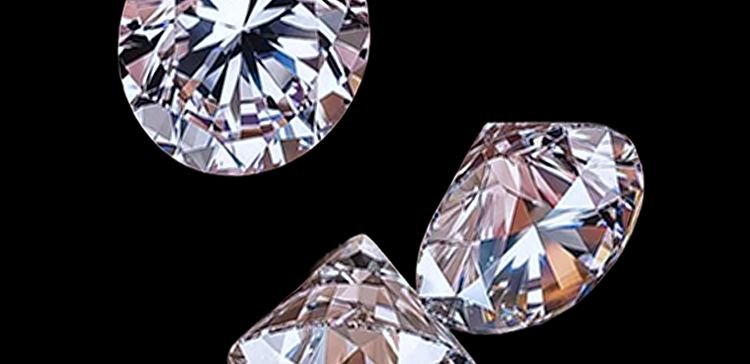
Diamond Cut :What “Ideal Cut” Means TodayAn ideal cut diamond is designed to return light efficiently—so it looks bright, crisp, and sparkly in real life, not just under showroom lights. Cut is often the biggest driver of a diamond’s beauty.
What Makes A Cut
Ideal
Ideal
01
Strong brightness (light returns through the top, not leaking out the sides or bottom)
Strong brightness (light returns through the top, not leaking out the sides or bottom)
02
Clean sparkle pattern (sharp contrast, not a flat or glassy look)
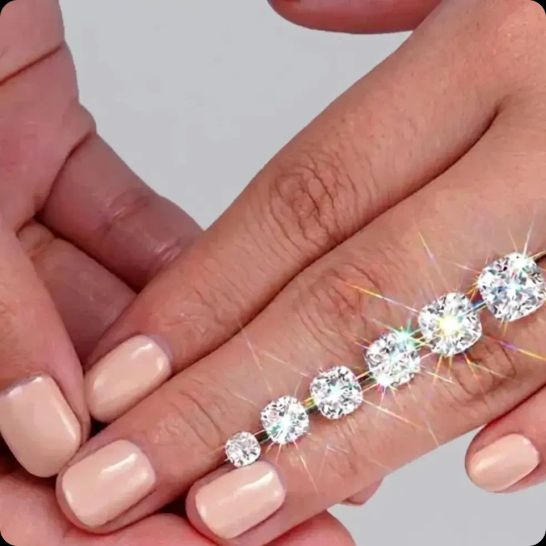
Clean sparkle pattern (sharp contrast, not a flat or glassy look)
03
Good face-up size (carat weight looks its size, not hidden in extra depth)
Good face-up size (carat weight looks its size, not hidden in extra depth)
The ColorSweet Spot
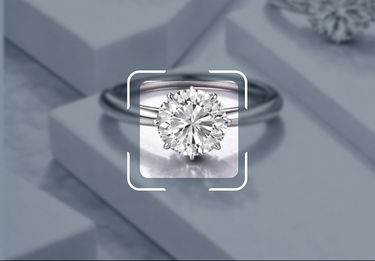
While D—F is technically perfect, G—H diamonds are the industry's best-kept secret. They appear ice-white to the naked eye but cost significantly less.
Inside Tip: Once set in a ring, the human eye rarely sees the difference between a D and a G . Spend those savings on a better Cut instead.
Quick Buyer Tips
(Avoid Common Mistakes)
01.
Don't chase carat at the expense of cut. A bigger dull diamond never looks as impressive as a slightly smaller bright one.
02.
If a round brilliant is described as "ideal," always ask us as the transparent diamonds online shop: <strong>Which lab graded it? What is the official cut grade?</strong>
03.
If the diamond is a fancy shape (oval/pear/marquise), remember: GIA's overall cut grade system is primarily for standard round brilliants, so performance is judged more by proportions + visuals/video and expert screening.


Diamond Size and Color Visibility
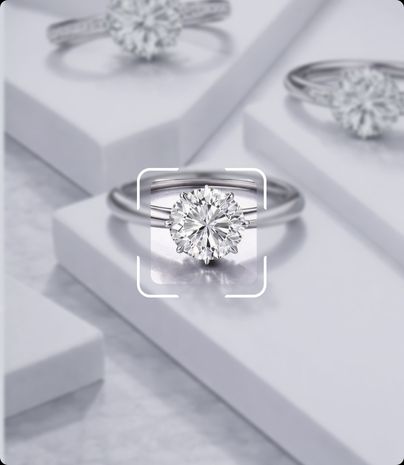
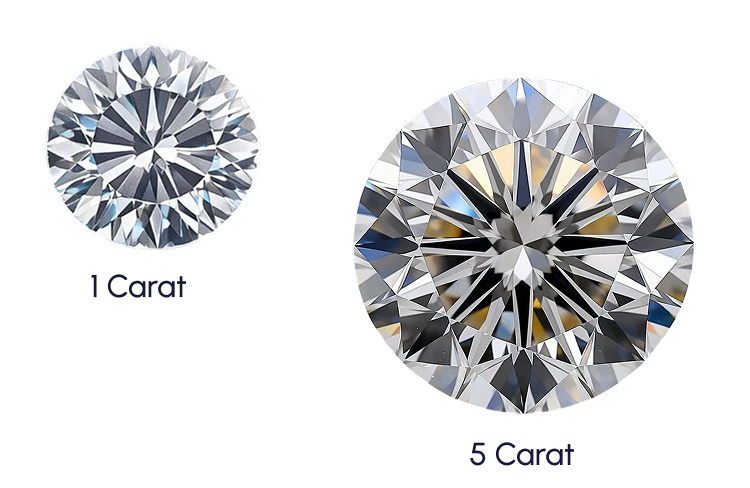
Larger diamonds reveal color more easily, while smaller stones mask warmth better. To ensure a bright, white appearance in higher carat weights, selecting a higher color grade is recommended.
Diamond Size and Color Visibility
Larger diamonds reveal color more easily, while smaller stones mask warmth better. To ensure a bright, white appearance in higher carat weights, selecting a higher color grade is recommended.
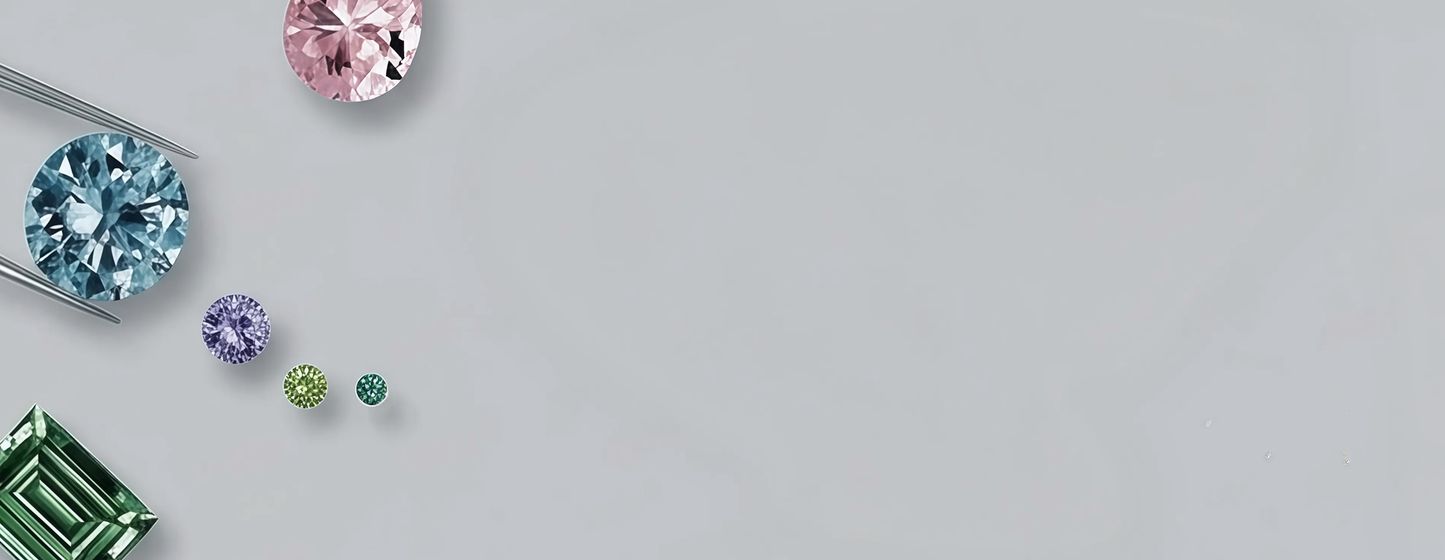
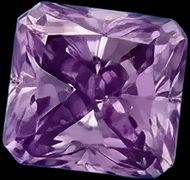
Fancy Coloured Diamonds
Fancy coloured diamonds are exceptionally rare, with only around one in every 10,000 diamonds showing a natural fancy colour.

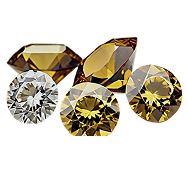
Yellow and Brown Diamonds
The most commonly found and therefore more accessible.

Blue and Green Diamonds
Among the rarest, often formed under unique geological conditions.

Pink and Orange Diamonds
Far rarer, with limited natural supply.

Red Diamonds
The rarest of all, with only a handful known worldwide.
Yellow and Brown Diamonds
The most commonly found and therefore more accessible.
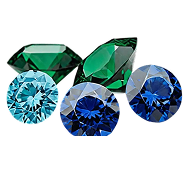
Blue and Green Diamonds
Among the rarest, often formed under unique geological conditions.
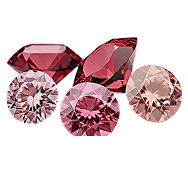
Pink and Orange Diamonds
Far rarer, with limited natural supply.
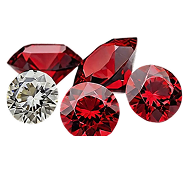
Red Diamonds
The rarest of all, with only a handful known worldwide.
GIA Diamond Clarity Scale
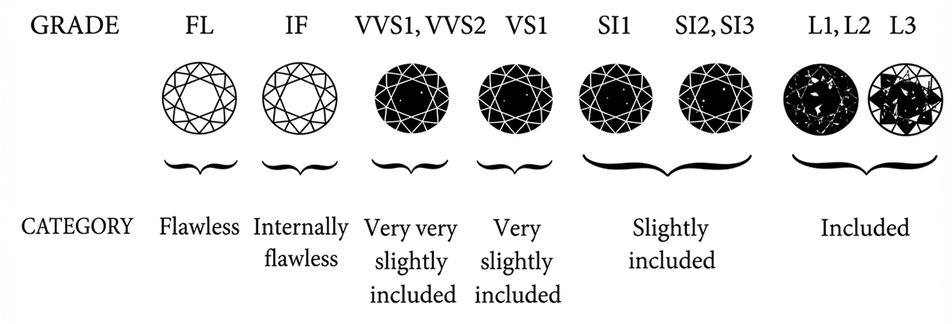
The GIA Diamond Clarity Scale consists of six categories, divided into eleven clarity grades, based on the visibility of inclusions under 10x magnification.
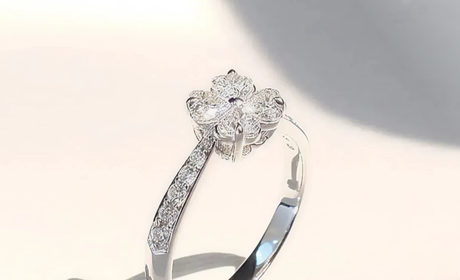
Internally Flawless (IF)
No obvious inclusions visible.
(SI1—SI2)
Noticeable inclusions.
Flawless (FL)
No inclusions or blemishes visible.
(VVS1—VVS2)
Inclusions are extremely difficult to detect very Slightly Included (VS1–VS2): Minor inclusions that can be seen with effort Slightly Included
Included (I1—I3)
Obvious inclusions that may affect transparency and brilliance; some may be visible to the naked eyes.
Diamond Clarity Plots
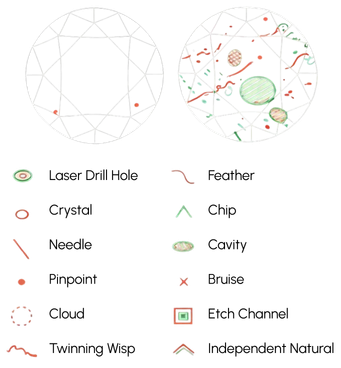
A clarity plot is a diagram shown on a diamond certificate that maps the exact location of a diamond's inclusions (internal) and blemishes (external..
Common Types of Diamond Inclusions & Blemishes Symbols
Eye-Clean Diamonds
Eye-clean diamonds have no inclusions visible to the naked eye under normal viewing conditions. Unlike GIA clarity grades—assessed at 10× magnification—the term reflects how a diamond appears in everyday wear and is not an official grading standard.

What to Expect by Clarity Grade
FL–VS2 are usually eye-clean; SI/I grades often show flaws. Verify face-up in varied lighting.
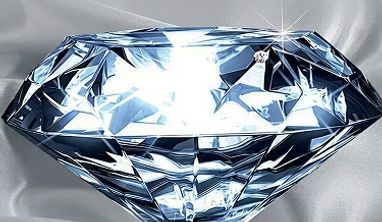
Carat Weight vs. Visual Size
While carat measures weight, a diamond's visual size depends on its dimensions (mm) and cut. Consequently, two diamonds of equal weight can appear different in size. Refer to the chart below to compare typical measurements by shape and visualize how carat weights translate to real-world scale.
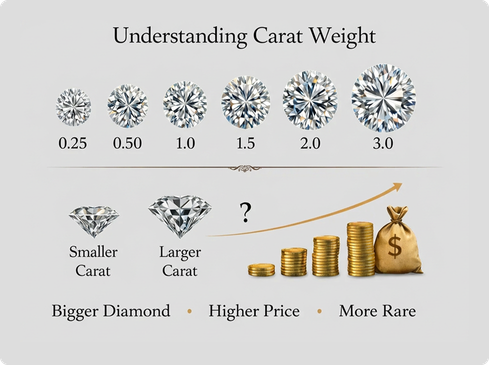
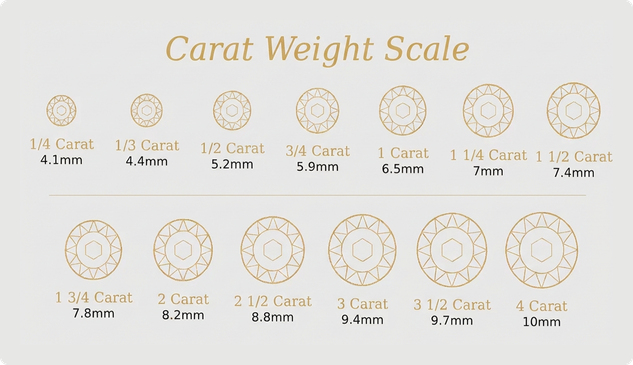
Diamond Carat Size Chart (mm)
Use this chart to quickly compare typical mm dimensions across shapes (Round, Princess, Oval, Emerald, Cushion, etc.) from 0.25ct to 5ct. It helps you understand how the same carat weight can appear larger or smaller depending on the diamond shape.
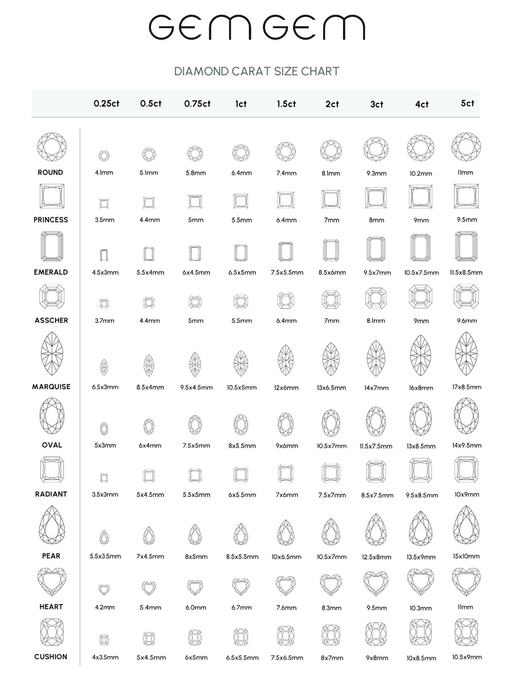
Diamond Carat Size Chart (mm) — Typical Dimensions by Shape (0.25ct—5ct)
Marketplace
Sell
Buy
Company
Secure Payment
GIA & IGI Certified
Insured Delivery Available

· © 2026 GEMGEM · All rights reserved · JVC MEMBER · TRUSTPILOT 4.9
