Can Fine Jewelry Be More Affordable Than You Think?
A Smarter Jewelry Budget Guide
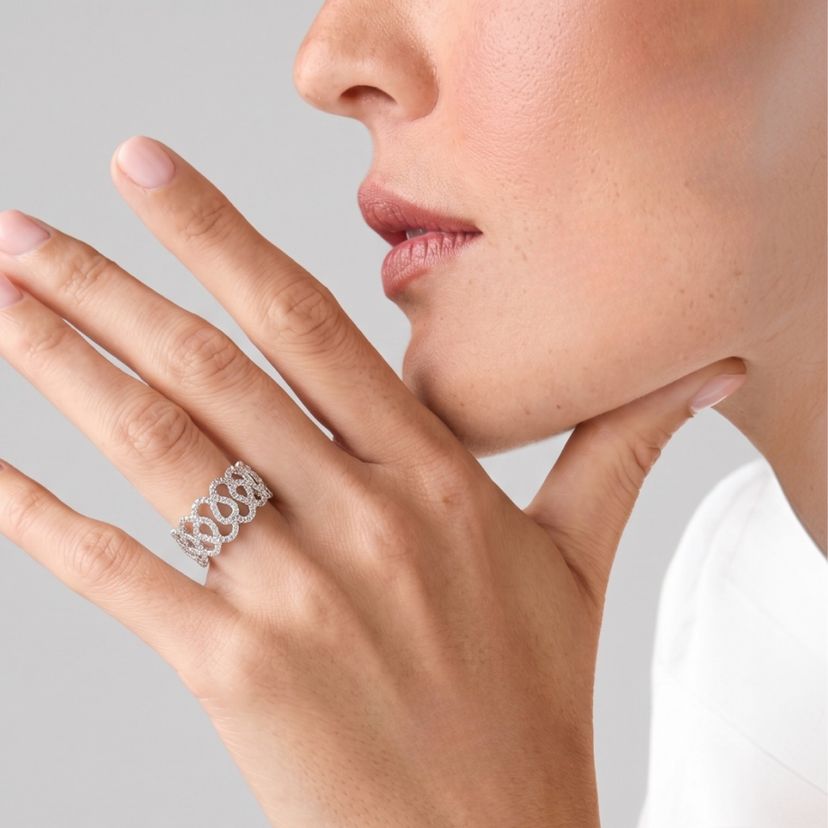
Many buyers assume fine jewelry is automatically outside their budget. Real gold, diamonds, gemstones, and well-made jewelry can sound expensive before the search even begins. For some buyers, fine jewelry feels like something reserved for engagements, anniversaries, major milestones, or luxury-store shopping.
But the smarter question is not only:
“How much does it cost?”
The better question is:
“What is my jewelry budget actually buying?”
This guide is for buyers who are exploring fine jewelry on a budget and want to understand what real gold, diamonds, gemstones, and clear product details can offer.
A similar budget can lead to very different purchases. It may buy trend-led fashion jewelry, a branded accessory, a new retail jewelry piece, or real gold, diamond, and gemstone jewelry through a smarter buying route.
Fine jewelry may be more accessible than many buyers expect — not because quality matters less, but because the way you buy can change what the same budget can reach.
Quick Answer
Fine jewelry is not always as far out of reach as buyers assume. The key is to compare what the same budget buys across fashion jewelry, new retail jewelry, pre-owned fine jewelry, and selected fine jewelry from trusted suppliers.
A smarter budget comparison can help buyers find more material substance, clearer product details, and better value for their budget.
Ready to compare options? Start by browsing fine jewelry on GEMGEM, or continue reading to understand what your budget can realistically buy.
Why Fine Jewelry Feels Expensive
Fine jewelry often feels expensive for a few reasons.
First, many buyers compare fine jewelry only against new retail pricing. New jewelry often includes retail markups, brand positioning, showroom experience, packaging, and marketing costs. Those factors can influence price before the buyer even evaluates the actual material value of the piece.
Second, fine jewelry is often presented as a milestone purchase. Engagement rings, anniversary gifts, and luxury-store displays can make buyers feel that real gold and diamond jewelry must always require a very large budget.
Third, many buyers are more familiar with fashion jewelry than fine jewelry. Fashion jewelry can look stylish and accessible, but it does not always carry the same material value as real gold, diamonds, or natural gemstones.
This does not mean fashion jewelry is wrong. It simply means it serves a different purpose.
Fashion jewelry is often about style, trend, and self-expression. Fine jewelry is different because the buyer is also paying for real materials, craftsmanship, stone details, and long-term wearability.
To better understand why real materials matter, read GEMGEM’s guide to real gold and natural diamond jewelry value.
The Better Question: What Is Your Budget Actually Buying?
A jewelry budget is not only a number. It is a decision about value.
For example, a buyer may spend the same amount of money in several different ways:
- a branded fashion jewelry piece
- a trend-led accessory
- a new retail fine jewelry item
- a pre-owned jewelry piece
- selected fine jewelry from trusted suppliers
Each choice can make sense depending on the buyer’s goal. But the value structure is different.
The key is to understand whether the price is mainly going toward:
- brand image
- trend appeal
- retail markup
- real gold or platinum
- diamonds or gemstones
- craftsmanship
- condition
- certification where available
- trust and authentication process
This is why fine jewelry should not be judged by price alone. A lower price is not automatically better. A higher price is not automatically better either.
Does this piece give me beauty, material substance, and value that make sense for my budget?
Fashion Jewelry vs New Fine Jewelry vs GEMGEM Fine Jewelry
| Comparison Point | Fashion Jewelry | New Fine Jewelry | GEMGEM Fine Jewelry |
|---|---|---|---|
| Main value driver | Style, trend, brand image | New retail experience, materials, brand or store margin | Real materials, clear item details, prior-owned or trusted supplier pricing, trust process |
| Material value | Often limited depending on materials | Strong if made with real gold, diamonds, or gemstones | Strong when made with real gold, diamonds, or gemstones |
| Budget efficiency | Good for style, weaker for material substance | Can be higher cost at retail | Can offer more material substance for a similar budget |
| Longevity | Often trend-dependent | Strong when well made | Strong when well made and clearly described |
| Buyer confidence need | Lower technical complexity | Brand or store trust | Product details, certification where available, and authentication path where applicable |
| Best for | Trend-driven purchases | Buyers who prefer new retail | Buyers who want beauty, substance, and clearer value for their budget |
The point is not that one category is always better than another.
The point is that buyers should understand what they are paying for. If a buyer wants a short-term style piece, fashion jewelry can make sense. If a buyer wants real gold, diamonds, natural gemstones, and more material substance, fine jewelry deserves a closer look.
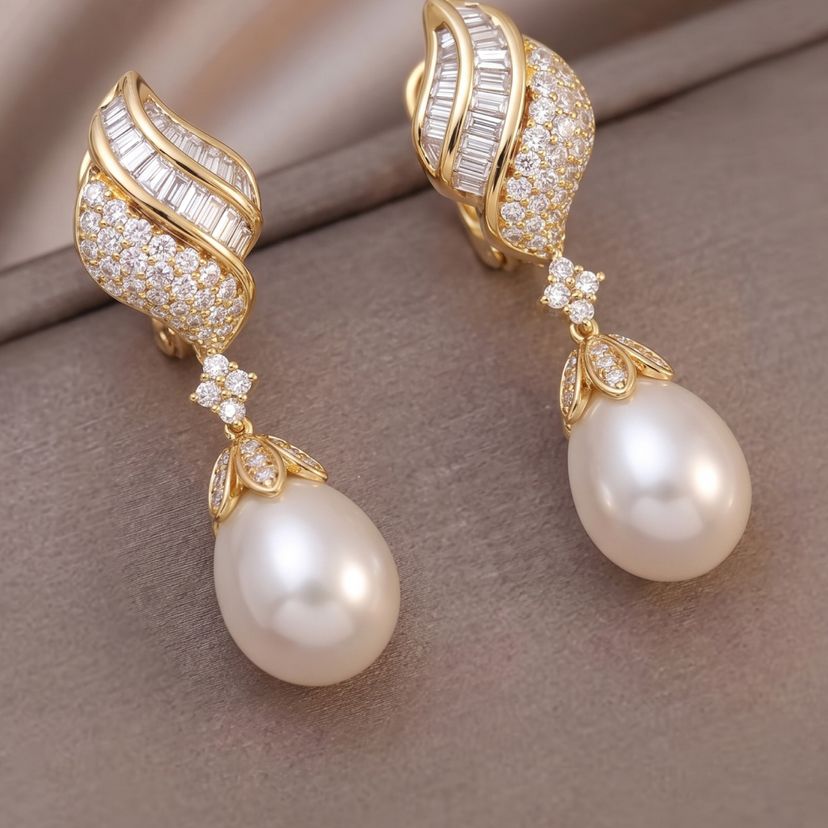
What Buyers May Find Across GEMGEM’s Fine Jewelry Selection
Across GEMGEM’s available fine jewelry selection, buyers may find that real gold, diamond, and gemstone pieces are not limited only to very high luxury price points.
A practical browsing opportunity often sits around entry-level to mid-range fine jewelry, especially rings, pendants, earrings, bracelets, and necklaces. This makes budget-based fine jewelry education commercially useful, not just aspirational.
Fine jewelry does not always start where buyers think it does. Buyers may find real gold, diamond, and gemstone jewelry across several practical budget levels — from entry-level rings and pendants to more substantial earrings, bracelets, necklaces, and statement pieces. Availability changes over time, so buyers should always check current listings and item-level details.
This matters because affordable fine jewelry should not mean low quality or unclear materials. It should mean helping buyers find real pieces that match their budget, lifestyle, and expectations.
For many first-time buyers, the entry point may be closer than expected.
Budget-Based Guide: What Buyers May Find on GEMGEM
Inventory changes over time, so this guide should be read as a directional shopping framework, not a fixed promise.
| Budget Range | What Buyers May Find on GEMGEM | Why It Matters |
|---|---|---|
| Around $1,000–$2,000 | Entry-level fine jewelry such as diamond rings, pendants, earrings, necklaces, selected bracelets, and gemstone-accented pieces. | This is a practical starting range for a first fine jewelry purchase. It helps show buyers that real gold, diamond, or gemstone jewelry may be more reachable than expected. |
| Around $2,000–$5,000 | A broader selection of rings, earrings, pendants, bracelets, and necklaces. Buyers may see more room to compare real materials, stone details, design, and condition. | This is the strongest practical shopping range. It supports the idea that a smarter buying route can unlock more substance for the same budget. |
| Around $5,000–$10,000 | More substantial rings, earrings, bracelets, necklaces, colored gemstone pieces, and stronger design presence. | This range is useful for buyers ready to step up from entry-level fine jewelry into more material depth and stronger presence. |
| $10,000+ | Higher-value statement jewelry, larger diamond or gemstone pieces, and selected certified pieces where available. | This range supports buyers looking for a more serious fine jewelry purchase with stronger trust, certification, and high-value purchase considerations. |
Fine jewelry may be more accessible than many buyers expect when they compare what their budget can actually reach.
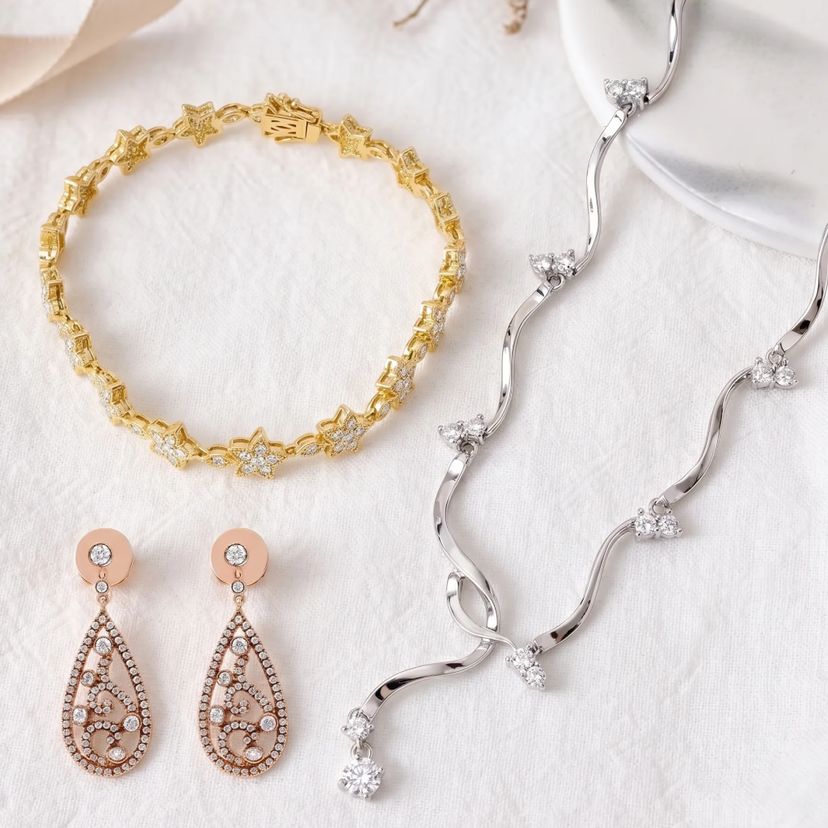
Start Browsing by Category
If you are exploring fine jewelry within a specific budget, start from all fine jewelry on GEMGEM, then filter by the category that best matches your goal.
Useful categories to compare include:
- rings on GEMGEM
- earrings on GEMGEM
- pendants on GEMGEM
- bracelets and bangles on GEMGEM
- necklaces on GEMGEM
- natural diamonds on GEMGEM
- gemstones on GEMGEM
This keeps browsing simple and helps you compare similar pieces by material, stone details, condition, and price.
The Jewelry Budget Value Check
Before buying any fine jewelry piece, especially within a set budget, use this simple framework.
1. Material
Is the piece made with real gold, platinum, diamonds, or natural gemstones?
Material is one of the biggest differences between fashion jewelry and fine jewelry. A piece made with real gold and diamonds can carry more material substance than a piece driven mainly by trend or branding.
2. Stone Details
Are the diamond or gemstone details clear enough to compare?
Look for information such as stone type, carat weight, shape, color, clarity, and whether the stone is natural. Not every piece will have the same level of detail, but the available information should help you understand what you are buying.
For diamond-specific education, buyers can also review GEMGEM’s Diamond Guide.
3. Condition
Is the current condition clearly shown?
For pre-owned fine jewelry, condition matters. Photos, descriptions, and visible wear details help buyers decide whether a piece fits their expectations.
4. Certification or Authentication Path
Is certification shown where available, or is the trust process clear?
Some items may carry recognized certificate information. C2C items are authenticated by IGI during or before the transaction, depending on whether the item is already pre-authenticated or authenticated after purchase. Selected fine jewelry from trusted suppliers may follow a different path and may carry independent certification where available.
The key is not to assume every item follows the same process. The key is to understand the trust information shown for that specific piece.
To understand GEMGEM’s buying process, see How GEMGEM Works.
5. Value for Your Budget
Are you paying mostly for trend and branding, or for real material substance?
This is one of the most important questions. A beautiful piece should also make sense for your budget. If two pieces cost a similar amount, compare what each one gives you in material, design, condition, and confidence.
What “Affordable Fine Jewelry” Should Really Mean
Affordable fine jewelry should not mean fake materials, unclear details, or lower standards.
In fine jewelry, “affordable” should mean:
- suitable for your budget
- made with real materials
- clearly described
- supported by product details
- condition-transparent
- supported by certification where available
- backed by a clear trust process
This is why the phrase affordable fine jewelry needs to be used carefully.
The goal is not to make fine jewelry sound cheap. The goal is to make it feel more understandable, more accessible, and easier to compare.
A smart purchase is not only about finding the lowest price. It is about finding a piece where beauty, materials, condition, and trust all make sense together.
For broader buying process information, review How GEMGEM Works.
Why Pre-Owned and Trusted Supplier Fine Jewelry Can Change the Equation
New retail jewelry can be beautiful, but it is not the only way to buy fine jewelry.
Pre-owned jewelry and selected fine jewelry from trusted suppliers can give buyers more ways to access real gold, diamonds, and gemstones at different budget levels. Because the buying route is different from traditional new retail, buyers may find more variety, more material substance, or more interesting pieces within the same budget range.
This is especially useful for buyers who are:
- buying their first fine jewelry piece
- upgrading from fashion jewelry
- shopping for a meaningful gift
- comparing real material value
- looking for beauty with clearer budget value
- interested in jewelry that feels special without relying only on brand image
The best fine jewelry purchase is not always the most expensive one. It is the one that fits your budget, your style, and your understanding of value.
For a deeper comparison, read Why Pre-Owned Fine Jewelry Can Be a Smarter Buy Than Buying New.
How GEMGEM Helps Buyers Browse More Confidently
GEMGEM is built around fine jewelry and loose natural stones, with a focus on real gold, real diamonds, real gemstones, and clearer value for buyers.
All items sold on GEMGEM are covered by our Authenticity Guarantee — real gold, real diamonds, real gemstones, as described.
Buyers can review product details, materials, stone information, condition, photos, and certification where available. Different item types may follow different authentication and fulfillment routes, so the trust information should always be understood at the item level.
This helps buyers browse with more confidence, especially when purchasing higher-value jewelry online.
Instead of asking only, “Can I afford fine jewelry?” buyers can ask a better question:
“What kind of real fine jewelry can my budget reach?”
Final Takeaway
Fine jewelry may be more accessible than many buyers think.
Not because quality matters less.
Not because every piece is the same.
Not because buyers should ignore materials, condition, or trust.
But because a smarter buying route can change what the same budget can reach.
If you are comparing fashion jewelry, branded accessories, or new retail jewelry, it may be worth asking what your budget could access in real gold, diamonds, gemstones, and fine jewelry with clearer value for your budget.
You may not need a bigger jewelry budget. You may need a smarter way to understand what your budget is buying.
Browse Fine Jewelry by Budget on GEMGEMFine Jewelry Budget FAQ
Is fine jewelry always expensive?
Fine jewelry is often more expensive than fashion jewelry because it uses real materials such as gold, platinum, diamonds, or natural gemstones. However, fine jewelry may be more accessible than many buyers expect, especially when they compare pre-owned options and selected fine jewelry from trusted suppliers instead of only new retail pricing.
Can I buy fine jewelry with a $1,000–$2,000 budget?
Buyers may find entry-level fine jewelry in this range, such as selected rings, pendants, earrings, necklaces, or smaller diamond and gemstone pieces. Availability changes, but this range can be a practical starting point for a first fine jewelry purchase.
What is the best budget for a first fine jewelry purchase?
The best budget depends on the buyer’s style, category, and expectations. As a practical starting point, many buyers begin by comparing entry-level rings, pendants, earrings, and necklaces before moving into more substantial pieces. The key is to compare real materials, condition, stone details, and certification where available.
What should I look for when buying my first fine jewelry piece?
Start with the material, stone details, condition, certification where available, and the trust process behind the item. A good first fine jewelry purchase should fit your budget, lifestyle, and expectations while giving you clear information about what you are buying.
Is pre-owned fine jewelry lower quality?
Not necessarily. Quality depends on the specific piece, its materials, craftsmanship, condition, and supporting details. Pre-owned fine jewelry can still be made with real gold, diamonds, and gemstones. Buyers should review photos, descriptions, condition, and certification or authentication details where available.
Why does real gold and diamond jewelry have stronger value than fashion jewelry?
Real gold and diamonds have recognized material value, while many fashion jewelry purchases are driven mainly by trend, design, or brand image. Fashion jewelry can still be stylish, but fine jewelry gives buyers more material substance to evaluate.
How does GEMGEM help buyers browse fine jewelry with more confidence?
GEMGEM provides product details, item information, photos, condition notes, and certification where available. All items sold on GEMGEM are covered by our Authenticity Guarantee — real gold, real diamonds, real gemstones, as described. Different item types may follow different authentication and fulfillment routes, so buyers should review each item’s details before purchase.

