Your First Fine Jewelry Buying Guide
Real gold. Real diamonds. Real value.
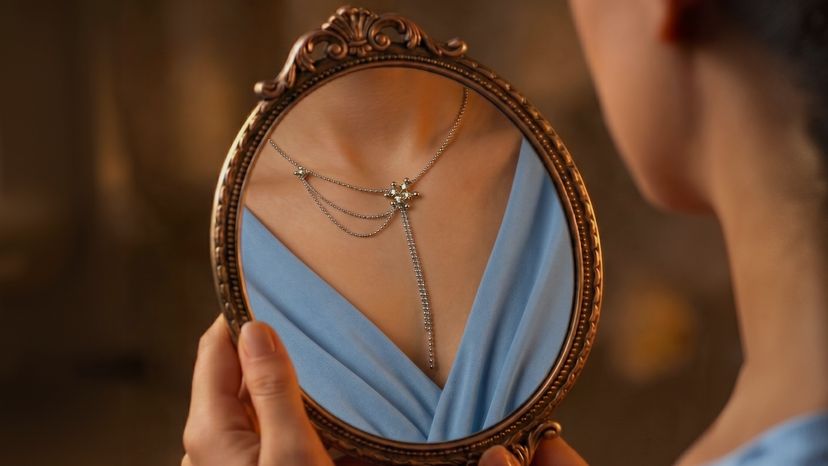
Buying your first piece of fine jewelry can feel exciting — but also overwhelming.
Questions around gold purity, diamonds, authenticity, pricing, and craftsmanship can make fine jewelry shopping feel more complicated than expected.
Two pieces may look similar online while being made from very different materials. One may use plated metals or decorative stones, while another may contain real gold, natural diamonds, and fine craftsmanship.
That is why understanding the basics matters before purchasing.
This beginner-friendly guide explains how to compare fine jewelry more confidently, understand what gives jewelry real substance, and shop with clearer value logic.
Explore Beginner-Friendly Fine JewelryQuick Takeaway: 5 Things First-Time Jewelry Buyers Should Understand
| Factor | Beginner Buyer Question |
|---|---|
| Materials | Is this piece made from real gold or precious materials? |
| Stone Details | Are the diamonds or gemstones clearly described? |
| Authenticity | Is there authentication or documentation where applicable? |
| Condition & Craftsmanship | Does the piece look well-made and wearable? |
| Long-Term Value Logic | Does the quality match the price? |
Why Fine Jewelry Buying Can Feel Intimidating
Many first-time buyers worry about making the wrong decision.
- Not understanding gold purity
- Confusion around diamond terminology
- Uncertainty about authenticity
- Difficulty comparing prices
- Fear of overpaying
These concerns are completely normal.
Fine jewelry often includes technical language that newer buyers may not be familiar with at first.
The good news is that buyers do not need to become experts before shopping. A smarter approach is simply learning how to compare jewelry step by step.
What Counts as Fine Jewelry?
Fine jewelry is usually made from precious materials such as:
Real Gold
Commonly used in fine jewelry for durability and material value.
Natural Diamonds
Often disclosed with clarity, carat, and certification information where applicable.
Precious Gemstones
May include sapphires, rubies, emeralds, and other genuine stones.
Fine Craftsmanship
Higher-quality construction designed for long-term wearability.
Fashion jewelry, by comparison, may focus more on decorative appearance or short-term trends rather than long-term material value.
This does not mean fashion jewelry is “bad.” The important point is understanding what you are paying for.
Understanding Gold Purity and Jewelry Materials
| Gold Type | What It Means |
|---|---|
| 10K Gold | Lower gold content with stronger durability. |
| 14K Gold | Popular balance between durability and gold content. |
| 18K Gold | Higher gold content with richer gold color. |
| 24K Gold | Pure gold with softer wearability. |
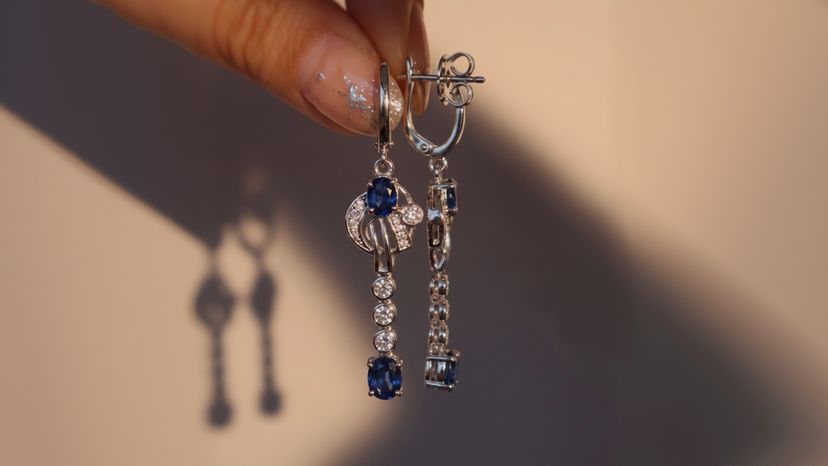
Buyers may also encounter yellow gold, white gold, rose gold, platinum, and sterling silver.
It is important to understand the difference between solid gold, gold plated, gold filled, and vermeil jewelry.
Two pieces can look visually similar while having very different material composition and long-term value logic.
What Beginners Should Know About Diamonds and Gemstones
First-time buyers do not need advanced gemology knowledge to compare jewelry more confidently.
What matters most is clarity and transparency.
- Whether stones are natural or lab-created
- Carat weight
- Stone shape
- Gemstone species
- Certification information where applicable
A piece with clearly described stone details is usually easier to compare than one with vague information.
Why Authenticity and Transparency Matter
Trust is one of the biggest concerns for first-time jewelry buyers.
Helpful transparency signals may include:
- Detailed product photos
- Material disclosure
- Condition descriptions
- Certification information where applicable
- Authentication support
Different items may follow different verification processes depending on the listing type and product details.
Learn About GEMGEM’s Authenticity ProcessCommon Mistakes First-Time Buyers Should Avoid
- Confusing plated jewelry with solid gold
- Focusing only on appearance
- Skipping condition details
- Ignoring gemstone disclosure
- Assuming higher prices always mean better value
- Buying without comparing materials and craftsmanship
A smarter approach is to compare substance — not only branding or presentation.
First-Time Fine Jewelry Buyer Checklist
- Is the metal type clearly listed?
- Is the gold purity stated?
- Are the diamonds or gemstones disclosed properly?
- Is the condition easy to understand?
- Are the product photos clear?
- Is authentication information available where applicable?
- Does the craftsmanship look reliable?
- Does the price make sense compared with the materials?
- Is the design wearable long term?
- Does the marketplace provide clear buyer information?

