Jewelry Education
Why Real Gold & Natural Diamond Jewelry Has Stronger Intrinsic Value
Real gold. Real diamonds. Real value.
Two pieces of jewelry can sit at the exact same price point, look equally luxurious, and have wildly different long-term worth.
As we broke down last week, a $1,500 budget can buy you a trend-led fashion jewelry piece with polished branding and packaging — or a pre-owned fine jewelry piece made with solid gold and documented natural diamonds. The difference is not just in the materials themselves. It is in their intrinsic value: the measurable worth that stays with the piece beyond short-term trend appeal.
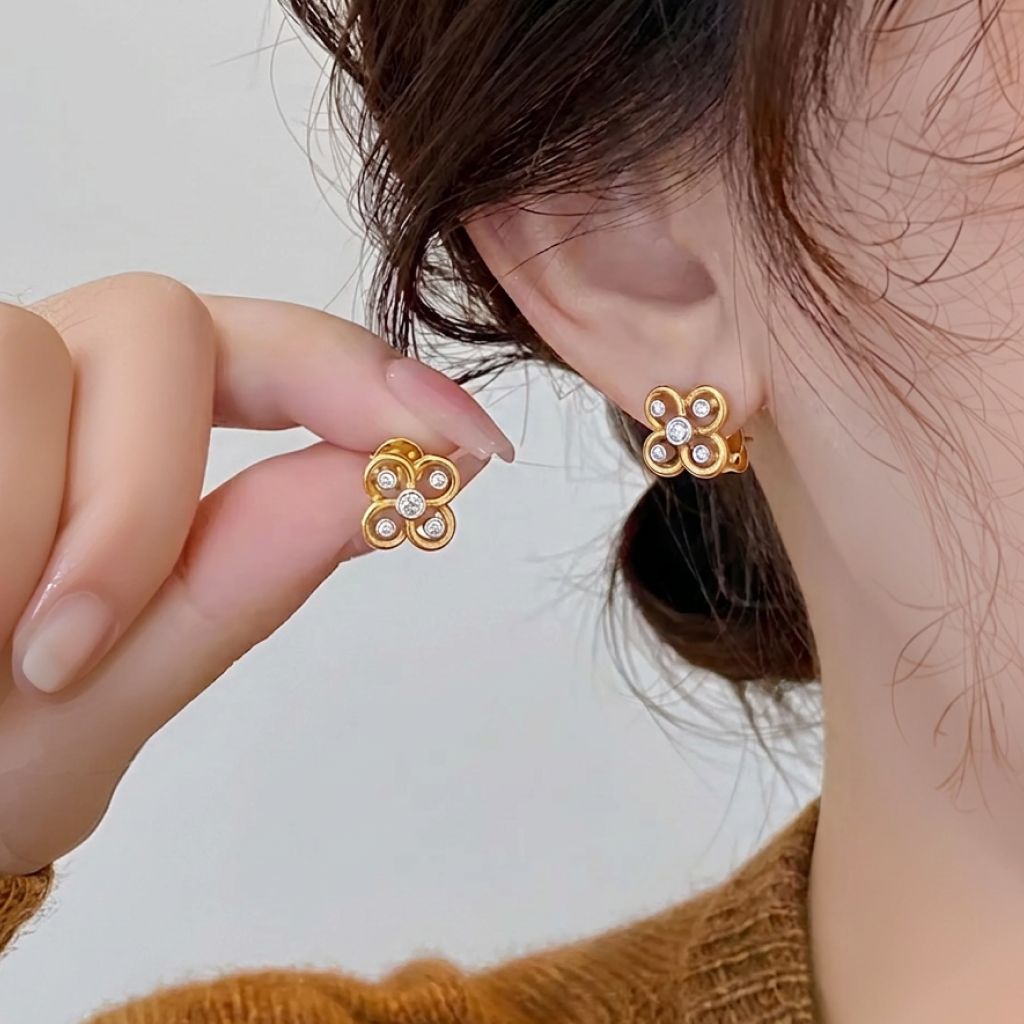
Jewelry Buying Trends: The Rise of Intrinsic Value Over Branding
Across fashion and luxury, resale continues to gain momentum as shoppers look for stronger value and more accessible ways to buy. McKinsey’s State of Fashion 2026 notes that the secondhand fashion and luxury market is forecast to grow two to three times faster than the first-hand market through 2027.
That shift matters in jewelry because it pushes buyers to look past presentation and ask sharper questions about materials, documentation, durability, and long-term worth.
This guide breaks down what intrinsic value in jewelry really means, why solid gold and documented natural diamonds are easier to evaluate more objectively, and how to use that framework to make smarter buying decisions.
Core Definition
Intrinsic vs. Perceived Value in Jewelry: How to Evaluate What You Are Really Paying For
Intrinsic Value
The measurable worth anchored in a piece’s verifiable materials and grading information, rather than branding, newness, or trend appeal. In practice, buyers can assess this through objective factors such as precious-metal content under the FTC’s Jewelry Guides and diamond quality characteristics using GIA’s 4Cs grading framework .
Examples: Solid gold purity, third-party diamond grading, verified gemstone authenticity
Perceived Value
The subjective premium buyers may pay for branding, packaging, newness, trend relevance, or retail presentation. This type of value can be meaningful to the buyer, but it is less objective and usually harder to measure consistently.
Examples: Brand name, limited-edition release, luxury packaging, current trend popularity
This is not a dismissal of fashion or branded jewelry. If your priority is short-term styling, trend alignment, or a specific brand experience, fashion jewelry may serve that purpose perfectly. But if you want jewelry that holds its worth more clearly over time — and whose materials can be evaluated more objectively — intrinsic material composition becomes one of the most important factors to review.
Material Deep Dive
Why Solid Gold Jewelry Has Stronger, More Verifiable Intrinsic Value
Solid gold has long been treated as a store of value across markets. For jewelry buyers, its appeal comes from the fact that the underlying material can be identified, compared, and understood more objectively than trend-based alternatives.
- 1. Verifiable material standard
In the U.S., the FTC explains that the karat quality mark tells you how much pure gold a piece contains. For example, 24K is pure gold, while 18K and 14K indicate how many of 24 parts are gold. That gives buyers an objective way to compare gold content across pieces. - 2. Inflation-resistant long-term relevance
Gold has long been considered a hedge against inflation. The World Gold Council states that since 1971, gold has outpaced both U.S. and world consumer price indices (CPI), and has historically performed well during higher-inflation periods. - 3. Deep global liquidity
The World Gold Council describes the gold market as large, global, and highly liquid. That matters because gold’s value is not tied to a single brand or retailer; it is supported by an active worldwide market for the underlying metal.
Important practical note: for very small or lightweight pieces, the purchase price can reflect craftsmanship, design, and retail pricing more heavily than raw metal content alone.
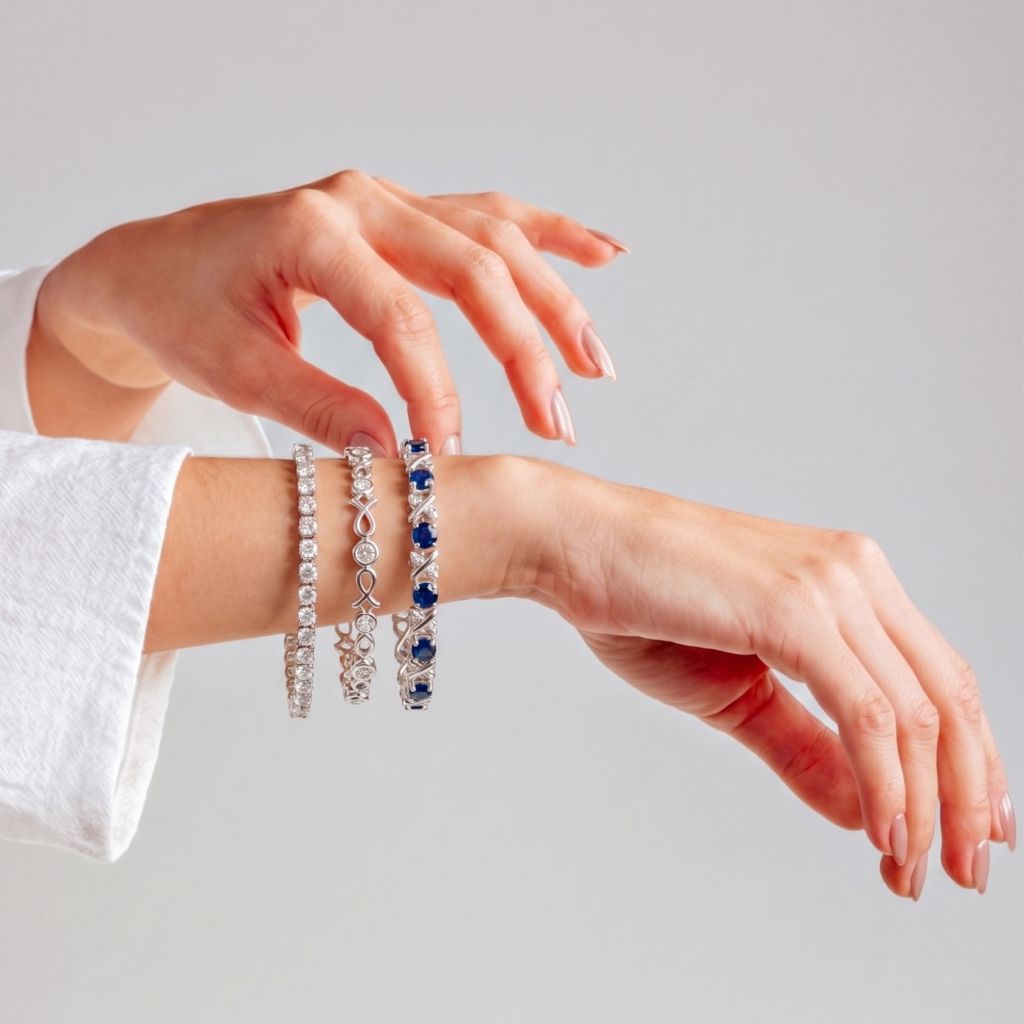
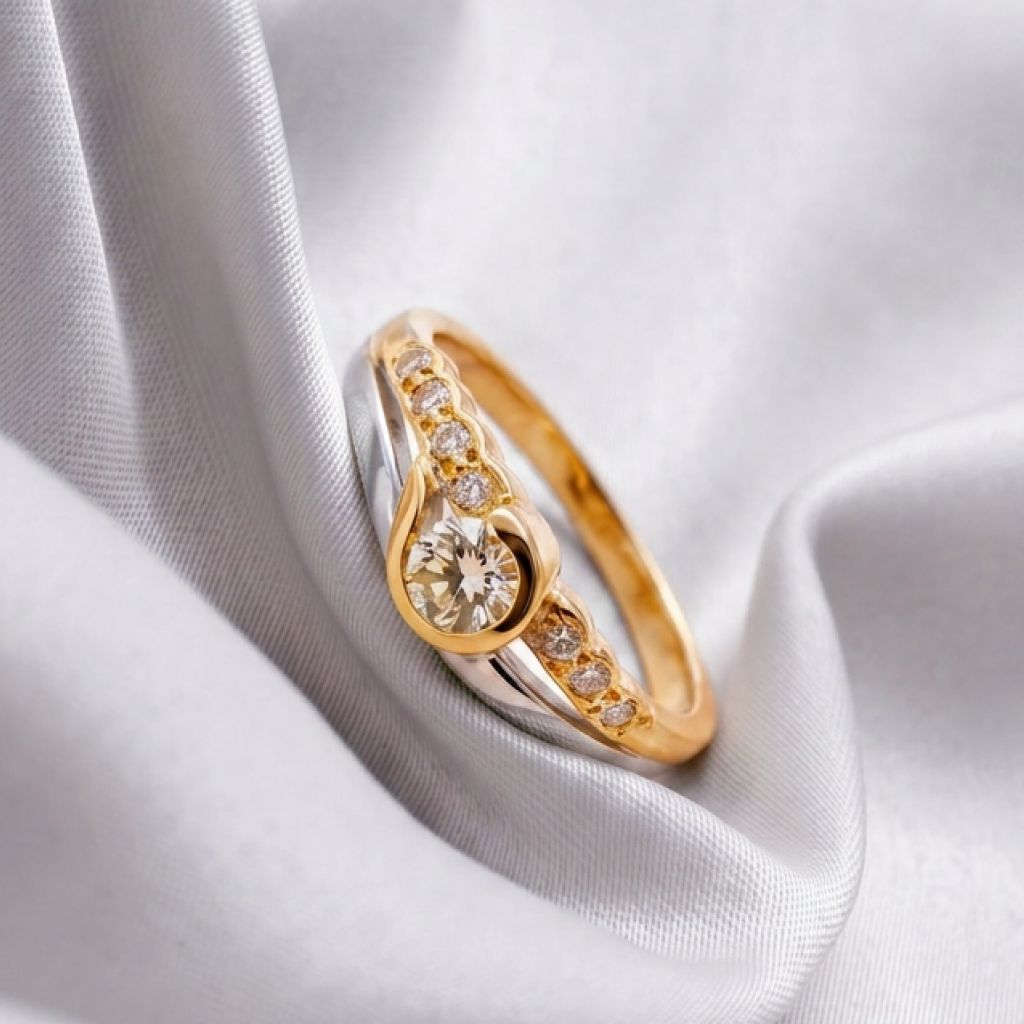
Material Deep Dive
Why Documented Natural Diamonds Deliver Clearer Long-Term Comparability
Diamond value is often debated because outcomes vary widely by quality, documentation, setting, and market conditions. What the data supports more clearly is that documented natural diamonds are easier to evaluate consistently than undocumented stones or simulants.
- 1. Clear, globally used grading language
GIA describes the 4Cs as the global standard for evaluating diamond quality, and says a GIA Diamond Grading Report is an unbiased, expert evaluation that helps buyers make informed decisions. A recognized third-party report gives buyers documented information about a stone’s characteristics instead of relying only on seller description. - 2. Different pricing dynamics from lab-grown stones
Lab-grown diamond jewelry prices have been under continued pressure as production scales and competition intensifies. In its preliminary financial results for 2024 , De Beers reported that lab-grown diamond wholesale and retail prices continued to fall throughout 2024, and said further retail price declines were expected. - 3. Better documentation for future comparison
Resale outcomes vary widely by stone quality, setting, brand, and market conditions, so broad percentage claims are not reliable. What is more reliable is documentation: GIA explains that a grading report is an unbiased assessment of a diamond’s quality and helps buyers understand exactly what they are evaluating.
Key consideration for smaller stones: documentation, setting quality, and overall craftsmanship often matter more than headline size alone, especially when a stone is sold as part of finished jewelry rather than as a stand-alone graded diamond.
Critical note: This does not mean diamonds are a guaranteed investment. No jewelry should be purchased solely as a financial asset. But for buyers who want a piece they can wear and enjoy for years, documented natural diamonds generally provide a clearer basis for comparison than undocumented stones or simulants.
Comparison Framework
Fine vs. Fashion Jewelry: What Can Be Verified More Clearly?
This comparison focuses on factors buyers can verify more objectively through material disclosure and grading standards, rather than broad resale percentages that vary significantly by piece, condition, and market timing.
| Metric | Solid Gold / Documented Natural Diamond Fine Jewelry | Plated / Simulant Fashion Jewelry |
|---|---|---|
| Material disclosure | Karat content and stone details are easier to state and compare objectively. | Presentation often depends more on finish, styling, or brand language than measurable material content. |
| Independent documentation | Third-party grading or detailed specs are more commonly used when quality needs to be documented clearly. | Independent grading is less common, especially when stones are simulants or decorative accents. |
| Underlying material base | Value logic is tied more directly to precious-metal content and documented stone characteristics. | Value logic depends more heavily on styling, novelty, packaging, and trend appeal. |
| Long-term comparability | Buyers can compare pieces more consistently using karat marks, grading language, and documentation. | Comparison is less standardized when plating, mixed materials, or non-graded stones are involved. |
| Durability disclosure | Solid-metal composition is more stable as part of the piece itself. | The FTC notes that gold plating can wear away over time, depending on wear and plating thickness. |
The practical takeaway: if you want a piece whose materials can be verified and compared more objectively, solid gold and documented natural diamond fine jewelry generally gives you a clearer value base than plated or simulant fashion jewelry.
New vs. Pre-Owned Fine Jewelry: Understanding the Intrinsic Value Tradeoff
This guide is not designed to dismiss new fine jewelry — it is designed to help you understand the value tradeoff you are making with every purchase.
There are many valid, meaningful reasons to buy new fine jewelry: customization options for engagement or milestone pieces, brand-new pristine condition, exclusive brand experiences, or personalized designs that hold sentimental value.
It is also important to understand what the price of a new piece can include beyond raw materials: design, merchandising, retail overhead, packaging, and first-sale margin — not only the underlying gold or gemstones.
With pre-owned fine jewelry, that initial retail premium has already been absorbed in the first transaction. As a result, buyers can often access stronger materials or higher specifications for a similar budget, although the exact value still depends on the piece, documentation, condition, and pricing.
Actionable Tool
5-Step Framework to Assess the Intrinsic Value of Any Jewelry Piece
The biggest mistake buyers make is judging jewelry solely by its appearance and price tag. This 5-step framework gives you a repeatable, unbiased way to evaluate the intrinsic value of any piece of jewelry, before you buy.
For sellers: This framework also works to price your GEMGEM listings competitively, transparently, and to sell faster by highlighting verifiable value to buyers, with full guidance in the GEMGEM Selling Guide .
Step 1
Verify Core Material Composition
Is it solid gold, and what purity? Is there explicit disclosure of plating, stone type, and quality? The FTC requires sellers to describe precious metal content and avoid misleading claims.
Step 2
Check For Independent Documentation
When certification matters to your buying decision, ask for an independent grading report. GIA explains that a grading report is an unbiased assessment of a diamond’s quality and helps you understand exactly what you are buying.
Step 3
Assess Global Liquidity
Can this piece’s core materials be recognized and valued outside one seller or one brand ecosystem? Solid gold has a globally active market; documentation also helps diamond quality travel more clearly across contexts.
Step 4
Separate Material Value vs. Markup
What portion of the price is tied to materials and documented quality, and what portion is tied to design, presentation, brand premium, or first-sale retail overhead?
Step 5
Align With Your Priorities
Are you buying for short-term trend appeal, or long-term value clarity? Choose the piece that aligns with your personal goals, not just what is trending.
Sustainable Luxury
Sustainability & Intrinsic Value: The Hidden Benefit of Pre-Owned Fine Jewelry
Today’s luxury buyers often care about two things at once: making more thoughtful purchases and getting stronger long-term value. Pre-owned fine jewelry can support both.
Pre-owned fine jewelry supports a more circular way of buying by keeping existing pieces in use longer instead of defaulting immediately to new production.
That does not make every pre-owned purchase automatically “better” in every sense, but it does mean buyers can align two priorities more easily in one purchase: lasting material value and a reuse-first approach to luxury.
How GEMGEM Helps
How GEMGEM Helps You Unlock Maximum Jewelry Intrinsic Value
Buying pre-owned jewelry only makes sense when buyers can compare pieces more clearly and shop with more confidence. That is where GEMGEM fits.
For buyers: GEMGEM items undergo pre-authentication review for material authenticity, with clear disclosure of gold purity, stone type, and certification details via our IGI Authentication Process . We help reduce guesswork, so you know exactly what you are paying for, and can shop with greater confidence, backed by our Buyer Protection policy.
For sellers: GEMGEM’s pre-authentication review process helps validate a piece’s disclosed material value, supporting clearer pricing and stronger trust with value-focused buyers.
FINAL TAKEAWAY
Final Takeaway: Prioritize Intrinsic Value for Lasting Jewelry Worth
Jewelry is deeply personal. For many buyers, it is about more than just appearance — it is about meaning, memory, and lasting value. If you want jewelry that delivers beauty and more clearly grounded material worth, the smartest choice is to prioritize verifiable gold content, documented diamond quality, and transparent disclosure over fleeting surface appeal.
Real gold. Real diamonds. Real value.


